
Monitoring Season Reflection 2026: Lessons from a Dry Year
By Jo Thompson, Stewardship Coordinator
Each summer, as the high country gives up what snow it holds, the Conservancy's monitoring season begins. On paper, monitoring is how we confirm that the conservation values of each protected property remain intact: the open space, the wildlife habitat, the working agricultural lands, the water. In practice, it is something richer. It is a standing invitation to walk the land alongside the people who know it best, to hear what they are seeing, and to work out together how best to care for it.

I stepped into this season with work already in motion. My predecessor, Ricki Garden, had laid the groundwork for a number of land health and stewardship projects with our landowners, and much of my summer was spent picking up those threads and following them out across pastures, forests, and creek bottoms to see where they led.
It was a hard year to be a piece of ground in central Colorado. The Arkansas River Basin recorded one of its lowest snowpack levels in a 40-year record, causing an unusually early seasonal snowmelt peak at the Salida gauge (364 cfs on May 29). By monitoring season, every one of our landowners was feeling the lack of water. Pastures browned early and talk of drought ran through nearly every visit: how the grass was holding up, senior water rights, water calls and diversions, and what the coming winter might bring. For some, the season also brought wildfire close to home, a stark reminder of how quickly a dry landscape can change.
Walking these properties through the season, I also learned to read them more closely. By the end of the summer, I could pick out the most common noxious and invasive weeds and discuss mitigation with our landowners, as well as point out native plants to protect. This season I also trained in LTPBR (low-tech, process-based stream restoration) and attended a fire resilience workshop at Redwing Ranch in Gardner. This summer has changed how I see every meadow, roadside, and ditch bank, on the job and off.
My greatest teachers this summer, though, were the landowners themselves. Some come from ranching families who have lived on and worked this land for generations, and their knowledge of it runs deep. In conversation after conversation, I was handed pieces of local history I could never have found in a book. Those stories have rooted me in this place more firmly than ever and made me even more keenly aware of how much everything in this landscape depends on water.

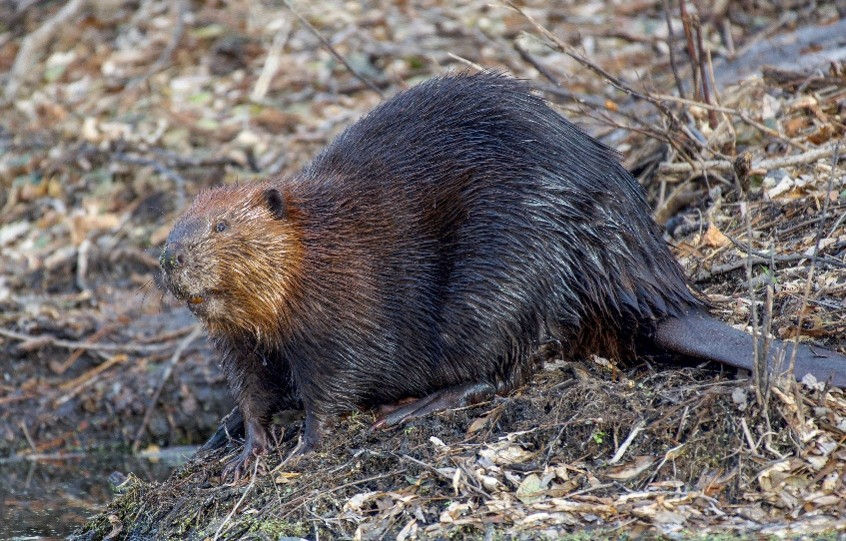
Those conversations are now turning into work on the ground. Together with our landowners, we are adapting grazing management to help pastures weather the drought, tackling noxious weeds, managing forests for wildfire resilience, restoring wetlands, and exploring beaver projects that help slow, spread, and hold water on the land. Each grows out of a landowner's own vision for their property, and I look forward to sharing more as they take shape.
Again and again, landowners told me about the wildlife that shares their ground: moose, coyote, and fox; elk herds that return each winter; and birds of every kind passing through with the seasons. And I myself witnessed a fresh mountain lion kill, bighorn sheep, osprey, and more. Each story was a reminder of what open land makes possible. These animals need large, connected places to live and move, and those places endure because landowners chose to conserve them and continue to care for them every day.
As this monitoring season draws to a close, I am deeply grateful for the land, for the people who steward it, and for the chance to learn from both. I am already looking forward to next summer's visits and the conversations they will bring.


Comments